
Having a coffee, comparing cacao flavours and walking around a coffee farm are three different outings. Travel programmes tend to squeeze all three under the same heading: coffee and chocolate tour. Convenient for the brochure. Less helpful when you expect a plantation and end up at a table with four pieces of chocolate. A journey through flavours: Peru at the table
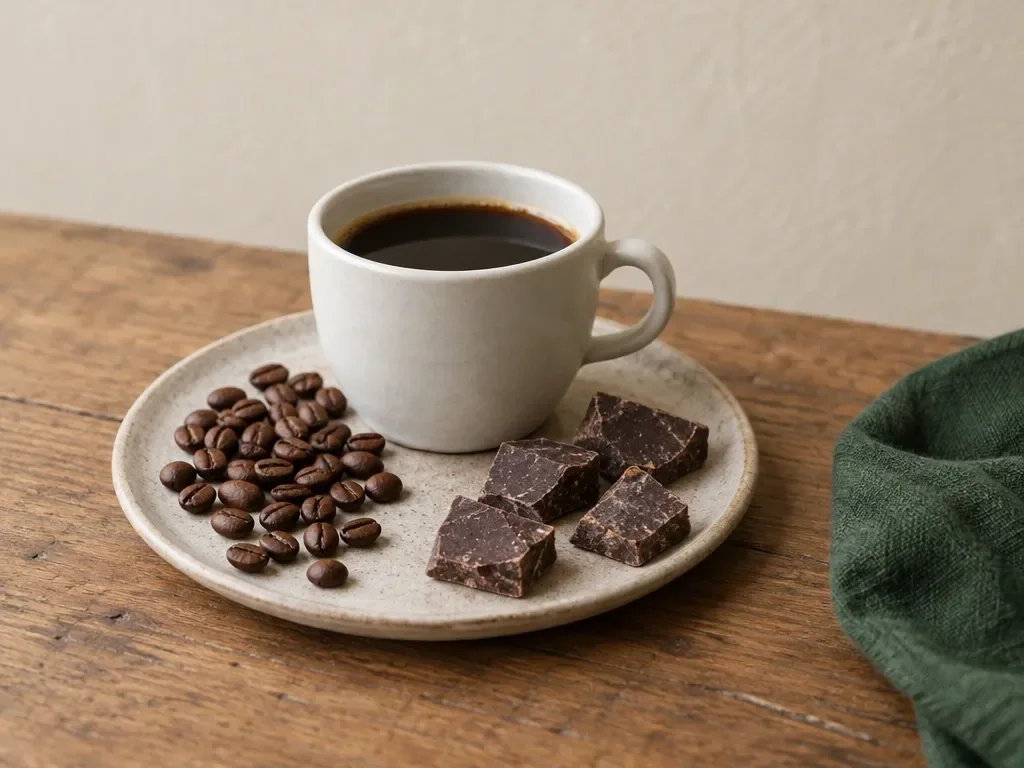
Start with what you want to understand. Would you like to sharpen your tasting skills, make something yourself or see where the crop grows? The first two can fit into a city stay. The third needs a farm whose location genuinely works with your route. A farm visit does not automatically offer more: thoughtful explanations around a table can teach you more than a long drive past bushes that nobody explains.
A city tasting: a small outing with a clear focus
Ciclos Café • El Cacaotal in Barranco, Lima, lists private tastings in Spanish and English, with a minimum of four people. Its range includes coffee and chocolate together or separately. It is a useful starting point if you want to compare origins without adding another region to your trip. Travelling as a couple? Do not assume you can simply join a session: first establish how your booking would meet that minimum.
Ask what the tasting actually compares. Percentages on chocolate wrappers tell you little about the discussion. Will you explore origin, processing, preparation or a combination? One clear theme can be more rewarding than a whole menu you cannot untangle afterwards. Photograph the wrappers if you like and note one association of your own for each product. It is not an exam. If you taste toast where the guide finds citrus, you have still learnt something.
Making chocolate needs a different slot in your day
ChocoMuseo describes its Bean to Bar workshop in Cusco as a two-hour activity involving cacao and chocolate, explanations and moulding your own chocolates. English and Spanish are listed. The same page says the chocolates are ready to collect an hour after the workshop. That extra hour belongs in your plans: two hours of activity does not mean two hours between arriving and leaving the city.
This is a workshop in Cusco. An explanation that starts with the cacao tree does not turn it into a visit to a cacao farm. Have the branch and collection arrangements confirmed before fitting it around a train or departure bus. A focused tasting may suit someone curious about flavour differences better. A workshop offers a different afternoon for someone who enjoys making things. Here, spending more time working at the table is the point.
For a farm visit, get the location before making the plan
For La Chacra D'Dago, MINCETUR's official tourism inventory describes a visit in a record containing information from 2022 covering coffee plants and processing, followed by coffee tasting. It locates the farm at Santa Herminia–Palomar, in San Luis de Shuaro district, Chanchamayo province, Junín. The record specifies prior permission and arrangements with the owners. Treat this as an appointment, rather than public land you can wander onto when passing.
Have your host send the exact location and a practical arrival point. Establish who arranges the final stretch, where the driver waits and who confirms the return journey. Ask which stages you can see on your date: walking among plants, an explanation beside machinery and picking something yourself are separate activities. A description of the whole coffee chain does not promise that every task will happen during your visit. Ask who gives the explanation and in which language; an English-speaking driver does not automatically provide an English-speaking farm guide.
A cacao route needs more than a dot near Tarapoto
PROMPERÚ describes Alto El Sol as part of a cacao route in San Martín, covering cultivation and processing. Its information leaves opening times and prices to the operator. Use that as inspiration for arranging a specific visit, rather than as a reservation. A destination on a regional tourism page is not a confirmed starting point, transfer or reception at a farm.
For a cacao outing, ask for the village and the producer you will actually visit. Then establish whether it involves a growing plot, fermentation or drying, a processing space, a tasting or several stages. 'Ruta del Cacao' on a confirmation does not tell you that. If no receiving host can offer a clear programme for your date, I would choose a good tasting and keep the extra travel day. Even chocolate enthusiasts do not need to chase every cacao tree.
Two different choices can both make sense
Imagine four travellers with an afternoon left in Lima who want to recognise coffee and chocolate flavours better. El Cacaotal's published tasting format matches that question, once the date and arrangements are confirmed. Another couple already has Cusco in their route and wants to make something together. ChocoMuseo's workshop is a more obvious fit, allowing time for collection afterwards. These are hypothetical choices based on described activities, not packages we have booked.
Someone heading to the central jungle specifically for coffee growing could investigate an appointment at D'Dago, treating transport as part of the decision. Do not casually bolt it onto a southern itinerary because an afternoon looks empty. The extra journey should offer something you value: understanding the business and asking worthwhile questions, rather than just getting a photograph among green leaves.
What belongs in the confirmation
For a farm visit, have reception and guiding, tasting or a meal, return transport and any overnight stay itemised separately. If staying, ask about room arrangements and bathrooms, rather than stopping at the word 'lodge'. For a city activity, confirm the meeting address, agreed language, group size and any collection time. Ask what happens if a processing stage cannot be seen: will the programme switch to explanations and tasting, or will something else be offered?
Discuss allergies and dietary requirements with the provider using actual ingredients, equipment and possible cross-contact. A high cacao percentage or the word 'dark' does not tell you how a product or tasting table was prepared. If that information is unavailable, hold off tasting until it is clear. Ask before photographing people or working spaces. Paying for a visit does not give you permission for every portrait, and buying a product should remain your own decision.
Our guides to Peru's flavours and local makers offer more ideas. Keep this choice alongside them: do you want to taste, make something or understand a working business? Once you know, choosing a worthwhile visit becomes much easier. So does leaving out the outings that sound better on paper than they fit your trip.