
A stuffed pepper in Arequipa, a fish dish in Lima, a northern stew and sopa seca in Cañete can give a journey through Peru a different thread. Instead of following famous restaurant names, follow dishes that say something about their surroundings. Sometimes the subject is a cooking tradition; sometimes it is the meeting of ingredients and histories. Give a meal a place in your plans, with enough time to notice what arrives on the table.
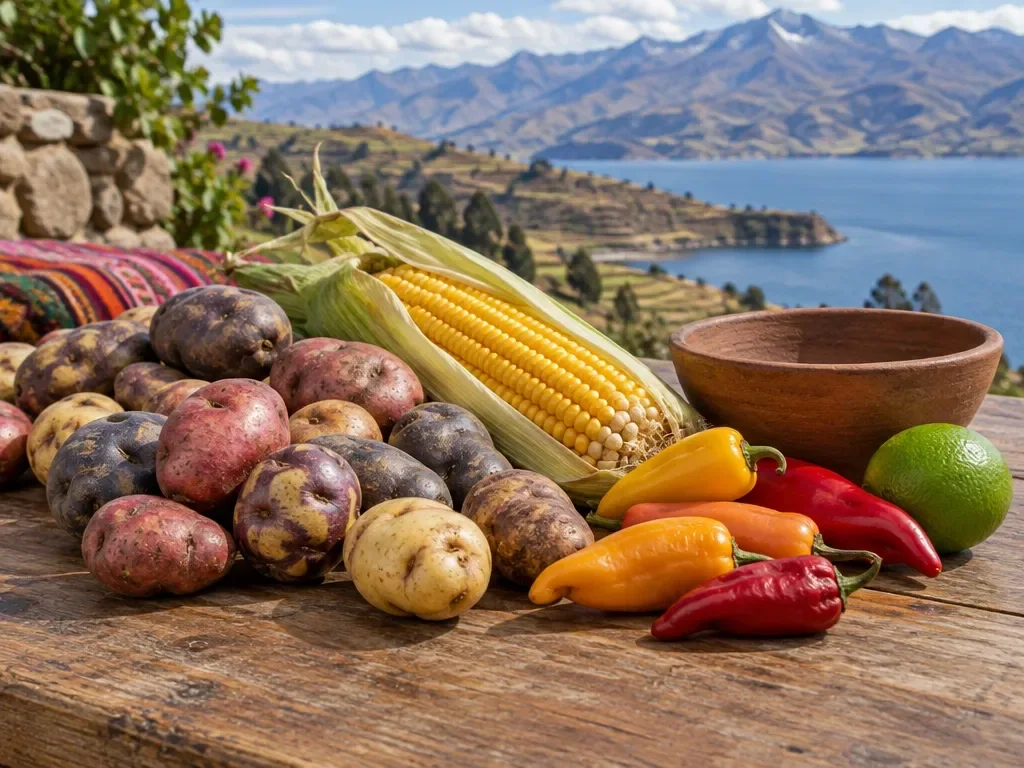
This journey through flavours connects four distinct areas. It is not an itinerary that asks you to visit all four in succession. Choose the cooking that fits places you already want to explore. In Arequipa, food can become part of your city days; Lima invites comparisons between different culinary traditions. Cañete gives the southern coast a subject of its own, while the north coast draws your attention beyond fish to a much wider table.
Arequipa: give the picantería your attention
The picantería belongs to Arequipa as a social place for eating. Peru’s Ministry of Culture recognised the tradition in 2014 specifically for bringing people from different social groups together around regional food and drink. The tourism heritage description recalls long tables and benches in earlier picanterías. That makes a meal an interesting companion to the city’s church façades and cloisters: a table can carry urban history too.
Start with one dish. Rocoto relleno is a stuffed rocoto pepper; PROMPERÚ describes a preparation containing meat and cheese, among other ingredients. Chupe de camarones is a shrimp soup with milk and cheese. Ocopa brings potatoes and a creamy sauce together. There is no need to memorise every name before arriving. Decide what you would like to recognise: the pepper holding the filling, the potato beneath the sauce, or the difference between a soup and a stuffed dish.
Give Arequipa more than a meal squeezed between excursions. A city day with time to eat lets you connect its cooking with the same place as its courtyards and streets. If monuments are your priority, choose one meal deliberately. If cooking is your main interest, compare two different dishes on separate occasions. Ask what the kitchen associates with the region. That opens a more focused conversation than asking for the most famous dish in the whole country. Arequipa
One dish, one region: the name queso helado
Queso helado sounds as though cheese is on its way. In the Arequipa preparation described by PROMPERÚ, it is a cold dessert made with milk, coconut and cinnamon. Reading the name alone does not explain what you are choosing. Take that small detail to your next menu: ask about the preparation and the meaning of the name. A regional speciality becomes more interesting when you understand the words as well as the dish.
Lima: compare the histories on the table
Lima brings many culinary threads together. PROMPERÚ describes Indigenous, African and Chinese influences, naming dishes including anticuchos, tacu tacu, arroz chaufa and lomo saltado. In that account, anticuchos are made with beef heart, while tacu tacu brings rice and beans together. Chaufa and lomo saltado reflect Chinese influence. These are starting points for understanding how a city adopts and transforms food, rather than four dishes that must fit into one afternoon. Lima
There are two useful ways to explore Lima through food. Choose a dish whose name makes you curious, then give the rest of the day another subject. Or compare two preparations across different city days: perhaps a meal built around rice and beans, followed later by something from chifa cooking. The difference between those experiences will tell you more than ordering another dish when you have already had enough. Anticipation can still be a matter of appetite. Two days in Lima: coast, Barranco and the centre
Ceviche also has a story about people
In 2023, UNESCO inscribed the practices and meanings surrounding the preparation and consumption of Peruvian ceviche on its intangible heritage list. The description reaches beyond fish to fishers, growers, cooks, knowledge passed through families and regional variations. It places a plate of ceviche in Lima in a wider context. The recognition does not turn one recipe into the only correct version. Differences between regions are part of the story.
The north coast: look beyond the fish dishes
Alongside ceviches and sudados, PROMPERÚ’s account of the north coast names seco de cabrito, seco de chabelo and arroz con pato. Cabrito refers to goat; its described seco de chabelo combines beef and roasted plantain. Arroz con pato centres on rice and duck. The north has a sequence of flavours of its own, easy to miss if you only look for a fish meal overlooking the sea.
Decide what you want to compare here. If coastal cooking interests you, try a fish preparation and a stew on different days. If beach time is the point of the stay, food need not become another transport project. Choose a northern dish where you are already staying and save another culinary tradition for the next city. A food theme can become cumbersome when every meal is another reason to move your luggage. Chiclayo
Cañete: sopa seca with carapulcra
In San Luis de Cañete, the municipality names sopa seca with carapulcra as part of Afro-Peruvian food culture. The dish appears alongside music, dance and other local traditions in its account of the district’s culture. That gives Cañete a different point of interest from simply being another coastal stop. Food offers a way to pay attention to a community history that might otherwise remain outside your journey’s main story.
Be precise about place names when adding this interest to your trip. San Luis de Cañete, a stay in the Cañete valley and a night in Lima are different choices; a name on a menu does not make them the same visit. If you want to understand San Luis’s culture, give the place attention rather than just ticking off a dish. Learning what that dish tastes like can also be a smaller, worthwhile aim. A meal need not explain an entire region. Short trips from Lima
Choose a meal that adds something to the journey
Begin with one question in each area. In Arequipa, what role does the picantería play in the city? In Lima, which influences can you recognise side by side? On the north coast, which dish takes you beyond the familiar image of fish and beach? In Cañete, how does the meal connect with San Luis’s Afro-Peruvian history? A question changes how you look at the same table without turning the trip into a test of dish names.
Then leave space in the day. A meal becomes an experience of its own when it is not squeezed between departure and the next appointment. That does not require a distant detour or a long restaurant list. One dish whose region, preparation and name you understand more clearly can stay with you longer than an afternoon spent mostly ordering a great deal of food.