
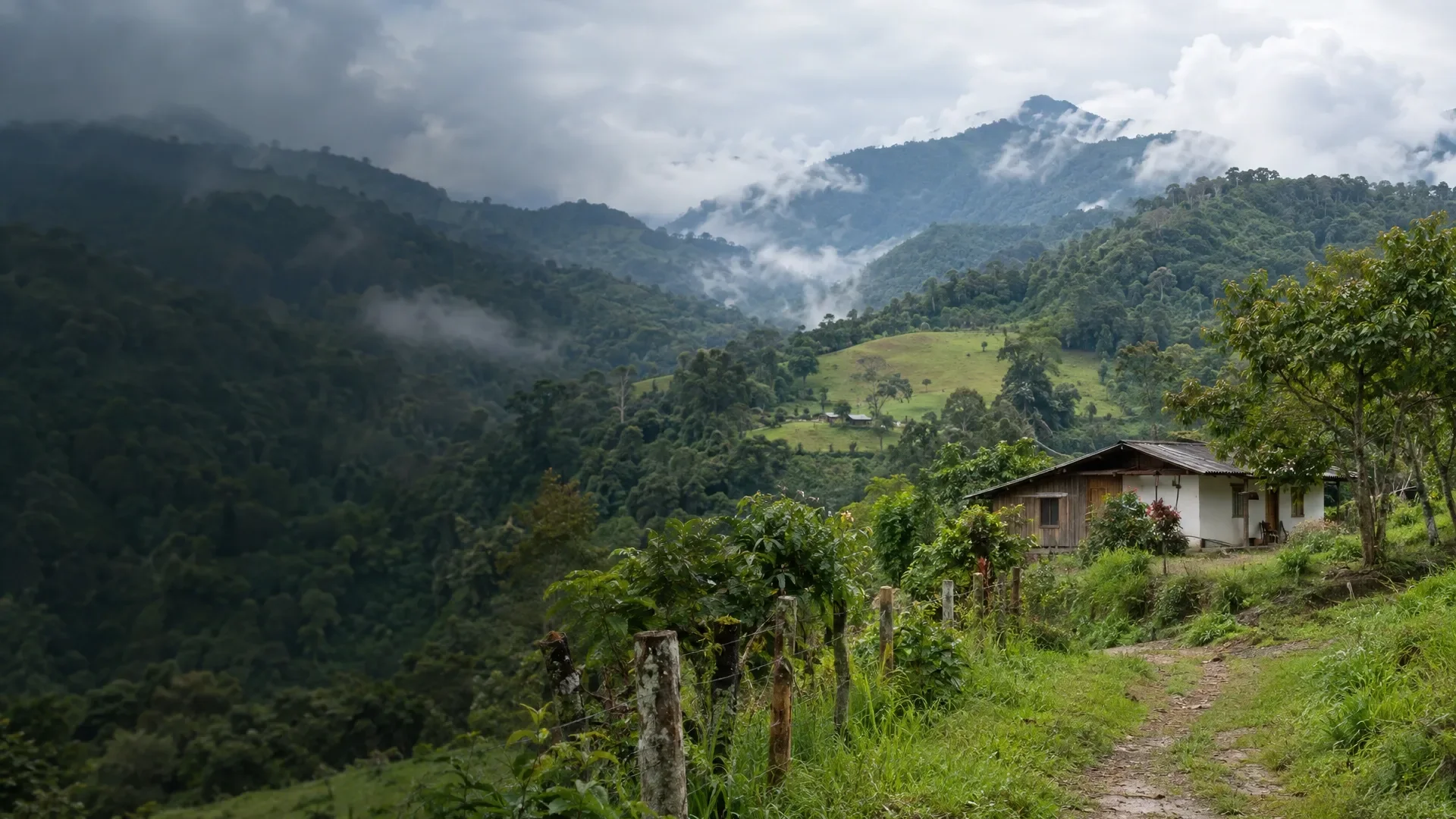
In Huancayo, stone walls curve around statues of musicians. In Oxapampa and Pozuzo, wooden houses and balconies create a different townscape. Wooded hills and a cave lie near Tingo María; at Pucallpa, Yarinacocha’s waters become a major part of the landscape. Central Peru encompasses highlands, mountain forest and lowland Amazonia, with different places around which to build a journey.
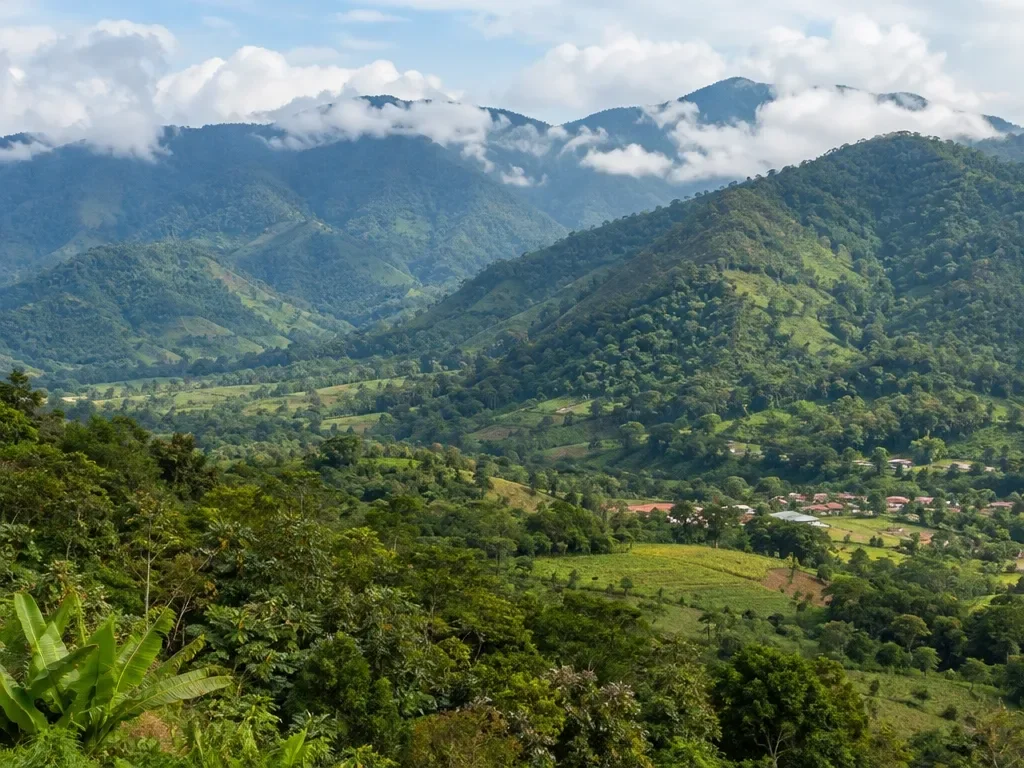
Huancayo and the Mantaro Valley
Parque de la Identidad Wanka gives regional culture a physical form. Curved stone walls, a large representation of a decorated gourd and sculptures of musicians and other cultural figures belong to its design. The park is in San Carlos and introduces Huancayo’s Wanka heritage. Keep time in town and a chosen valley outing as separate parts of your stay.
Chanchamayo and Perené
San Ramón and La Merced sit in a warmer part of Junín, with coffee on the slopes and waterfalls in the forest. El Tirol is near San Ramón. For Bayoz and Velo de la Novia, head further towards Puerto Yurinaki. A night in the valley gives you time at the falls before you continue to Oxapampa. Chanchamayo and Perené: waterfalls in Peru’s central jungle
Oxapampa and Pozuzo: wooden houses and mountain forest
Oxapampa has wooden houses with European architectural influences; coffee, honey and dairy products belong to the area. Beyond town are Yanachaga-Chemillén’s forested slopes. The park covers steep mountainsides and deep valleys. San Alberto is an approach for a chosen forest visit from Oxapampa. The town guide explores the different walking options.
In Pozuzo, MINCETUR describes wooden houses with pitched roofs, carved balconies, gardens and suspension bridges. Austrian and German settlement history is visible in the townscape. Yánesha communities and people with roots in the central Andes also live around Yanachaga. The five-day Oxapampa–Pozuzo route gives each town its own stay, with the journey between them part of the plan.
Huánuco and Tingo María: archaeology and forest
Kotosh gives a stay in Huánuco an archaeological focus. Templo de las Manos Cruzadas takes its name from two pairs of clay hands and forearms. Its stone-and-earth ceremonial buildings tell a different story from the town centre. Allow for both Kotosh and time in Huánuco before travelling on.
Near Tingo María, the national park protects La Bella Durmiente and Cueva de las Lechuzas, among other areas. Guácharos are part of the cave’s natural history; forest and waterfalls offer other kinds of visits. The sectors have different approaches. Choose an outing from town and discuss its entrance and return journey, rather than putting every nature attraction into the same day.
Pucallpa and Yarinacocha lake
Yarinacocha is a former bend of the Ucayali beside urban Pucallpa. Its water surface changes between high and low water, with smaller waterways linking it to the river. This is the flat waterscape of lowland Amazonia. For a boat visit, agree the departure point, route and return separately; the water level alone cannot tell you which trip can run.
Where to stay in central Peru
Stay in Huancayo for the city and an outing in the Mantaro Valley. If you want to hike in the mountain forest and see Pozuzo, start in Oxapampa. For Kotosh and the Cueva de las Lechuzas, pair Huánuco with Tingo María. Treat Pucallpa as a separate leg. If the Yarinacocha lagoon is your goal, work out how you will get there and continue your journey.