
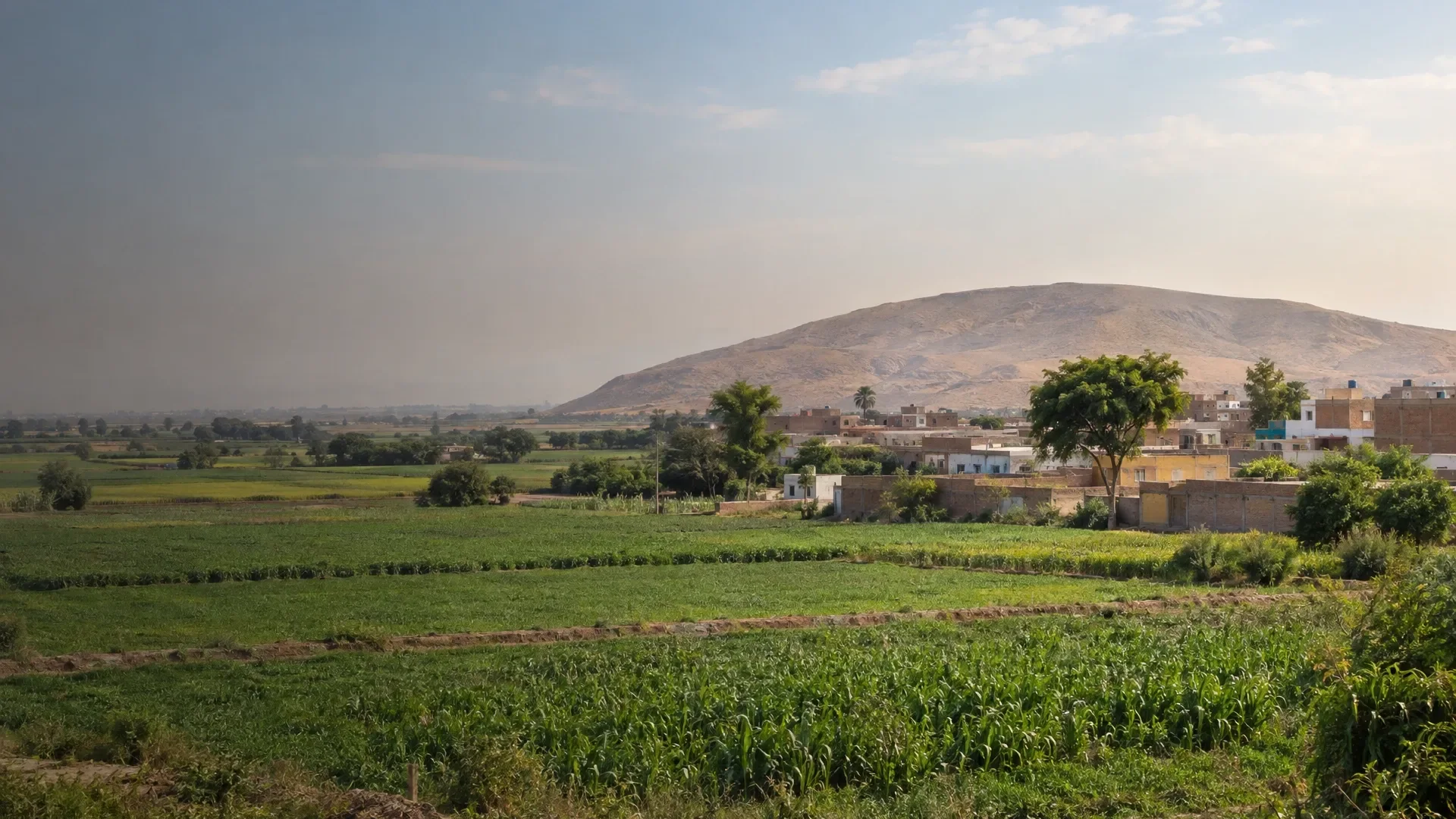
The pyramids of Túcume are the colour of the ground. Wind and rain have worn down their slopes, but around Cerro Purgatorio you can still see how much space the buildings once occupied. The people of Lambayeque built with adobe, bricks dried in the sun. Finds from the site also show the periods when the Chimú and the Incas ruled here.
Start with the models
Look for the models of the huacas, as the ancient monuments here are called, in the Museo de Sitio Túcume. They show the shape of buildings that can be hard to make out outside after centuries of erosion. The museum also explains how local craftspeople worked with metal, from extracting the ore to shaping finished objects.
The viewpoint or the reliefs at Las Balsas
If you want to see how the pyramids are laid out around the hill, ask about the northern route (Ruta A) past Huaca I and up to the viewpoint. From higher ground, it’s easier to see how the buildings are spaced than when you’re standing at the foot of a single pyramid.
When the southern route (Ruta B) is open, you can see the reliefs at Huaca Las Balsas. Look for bird-headed figures on the mud walls. Some paddle reed rafts surrounded by fish and seabirds. The sea is everywhere on the walls of this inland temple. Archaeologists found several layers of reliefs here. When the temple was rebuilt, new scenes went over older ones.
If Las Balsas is your main reason for coming, check with the museum before you set off. To see both sides of the site, allow extra walking time for the combined route. Bring water for the outdoor sections.
Visiting Túcume from Chiclayo
Set aside half a day for the museum and an outdoor route. If you take local transport to the village, allow for the final stretch to the museum in Campiña de San Antonio. For the finds from the tombs of Sipán, allow another half day for the Museo Tumbas Reales de Sipán in Lambayeque. Tumbas Reales de Sipán: what the burial finds reveal