Choose the programme that suits you first, then the operator. Compare the actual route, time at the places you want to see, guiding and total cost. Reviews are most useful when they describe those details. An enthusiastic account of a private tour tells you little about the shared bus you are considering.
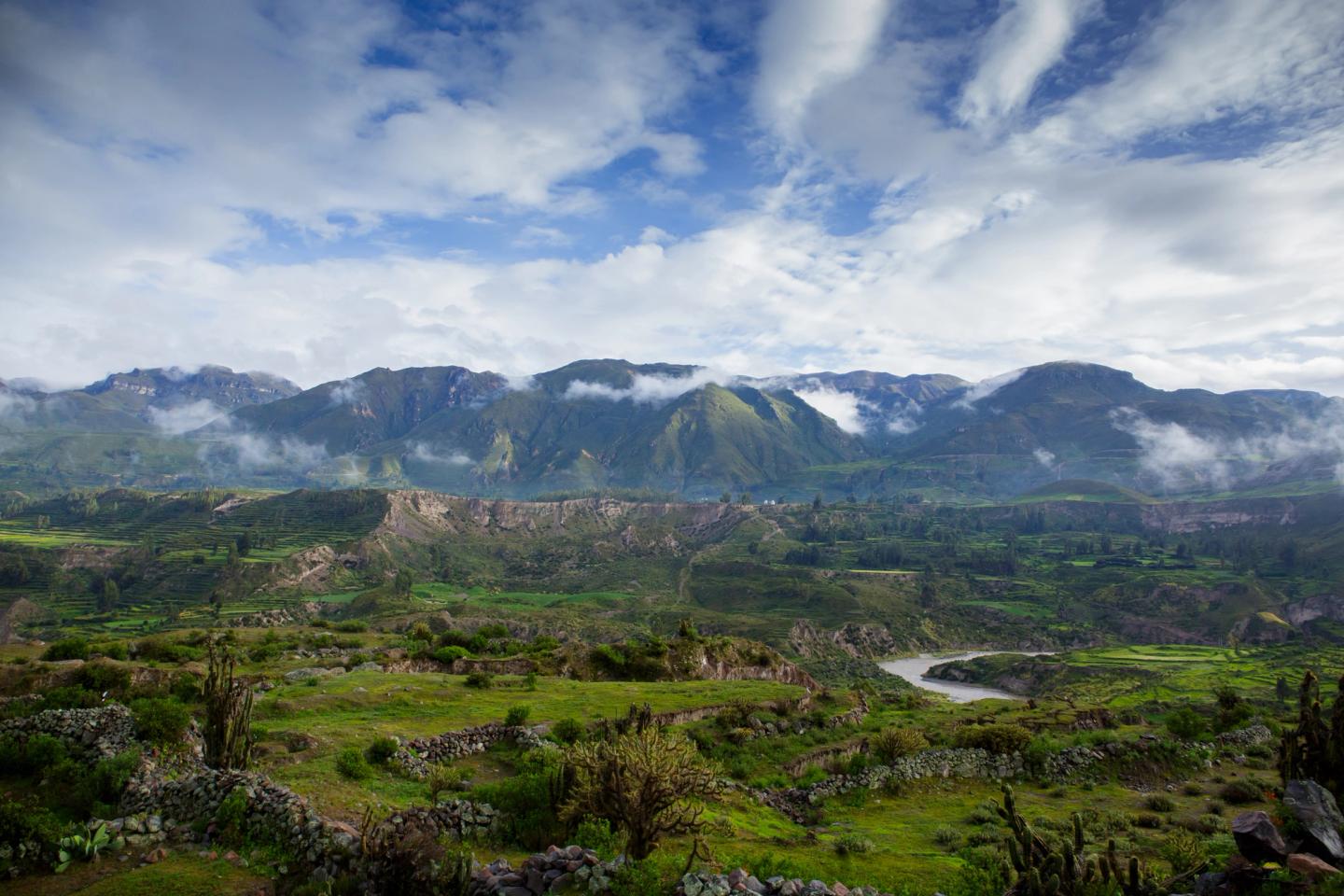

Colca: a night in Chivay or down in the canyon?
Two offers labelled ‘Colca, two days’ can mean very different trips. Pachamama describes a classic excursion with a night in Chivay and a visit to Cruz del Cóndor, without trekking. The same website lists walking programmes from Cabanaconde with nights down in the canyon, including Sangalle. The return to Cabanaconde is uphill. Start with the overnight location and the shape of the walking days.
Would you like villages, terraces and viewpoints, followed by a hotel in the valley? Compare road-based excursions, with walks and free time listed separately. If you want to descend and stay along the trail, get the distance, descent, ascent and luggage arrangements for each walking day. Include the final climb and onward drive in your decision. Another night in the same place and an additional walking day change the programme in different ways.
The Sacred Valley: which stops get the time?
Alpaca Expeditions' day programme lists both the Pisac archaeological site and the market in the town, followed by Ollantaytambo. These are separate visits. If another offer simply says ‘Pisac’, it does not identify which part you will visit. The same applies to ‘Chinchero’: establish whether the stop covers the archaeological site, the village, a weaving demonstration or a combination.
A market or weaving workshop can be an enjoyable stop: you may want to browse textiles or see how something is made. Have these visits listed alongside the ruins, including their planned length and any sales element. Someone wanting a longer walk through Pisac will prefer a different balance from someone keen to shop. A shared tour follows the group itinerary; skipping a shop does not automatically mean the bus leaves earlier.
Who will actually be with you?
A transfer, a guided visit and an accompanied multi-day trip are different services. A driver takes you to the agreed location. A guide can explain what you are visiting; a tour leader may also coordinate the transitions between hotels, transport and activities. The job title alone does not define the agreed duties. Have the sections with accompaniment and the language of the guiding confirmed.
Alpaca Expeditions lists guides and transport as separate parts of its Sacred Valley programme. Use that distinction in your own quote. For a train package to Machu Picchu, for example, establish who meets you on arrival, when the guided visit begins and whether you travel back independently afterwards. For a jungle programme, establish whether the same guide accompanies the boat trips and forest walks. Also agree on one contact for changes.
Private or shared: pay for the difference you will use
A private tour can suit you if you want longer at one archaeological site, need a particular language or wish to finish in Ollantaytambo. Agree on that change before booking. ‘Private’ can also refer only to the vehicle, with another activity shared. For a group tour, maximum group size, the number of pickup stops and the languages used are more useful comparisons than the label ‘small group’ alone.
Check the business behind the offer
MINCETUR's national directory provides details for travel agencies and guides, including business names, RUC tax registration numbers and contact information. Compare these with the quote and payment instructions. A listing helps establish identity; it does not prove that the programme suits you or that every departure runs well. If the seller uses another operator, have both names recorded.
If an operator describes itself as ‘recognised’ or ‘authorised’, that needs a specific explanation: by whom, for which activity and in which area? For a protected-area visit, the confirmation should identify the exact route and required admission arrangements. A homepage logo alone does not tell you which permission applies to your excursion. Resolve an unclear reference before paying.
Watching wildlife: what happens when an animal appears?
SERFOR advises travellers to observe and photograph wildlife from a suitable distance. Apply that principle to the programme you choose: observe animals without feeding them, holding them or having them caught for the group. A guide can explain while the animal goes about its business. For boat trips and forest walks, agree that the group will keep its distance and follow instructions during sightings. A promised encounter with a particular species is not a useful basis for comparing operators.
If you want a visit to generate income for people at the destination, look at the actual arrangements: who prepares the meal, where you stay and who gives the tour. At a weaving workshop, it helps to know who gives the demonstration and whom you can buy from directly. On a multi-day trek, ask how porters, cooks and local guides are employed and paid. A broad statement about ‘the community’ does not answer those questions.
Read reviews of the programme you are booking
Look for recent accounts of the same route and group type. Could people understand the guide? Did the stops match the day they booked? How did the operator handle a change? One brief complaint tells you less than several separate descriptions of the same problem. Read the operator's response too: a specific explanation of a missed stop is more useful to your decision than a standard thank-you. Reviews describe other people's experiences, not proof that your day will be identical.
Compare the price of the same trip
Put two quotes side by side with the same departure point, route, accommodation and group type. Add missing items to the price: admission, meals, transfers, equipment and any luggage transport. Separate required costs from optional purchases and tips. Then record what happens if the programme changes, a departure is cancelled or you cancel: which part changes, which costs remain and who contacts you? Save the quote and confirmation offline.
A useful first message could be: ‘We want to visit the archaeological sites of Pisac and Ollantaytambo and finish in Ollantaytambo. Could you send the stops with planned visiting time, language and maximum group size? Please also specify which admission tickets, lunch and transfers are included, and who operates the tour.’ That gives the operator enough information to propose something suitable, and you something concrete to compare.