For walks around Cusco or Huaraz, the drier period around May to September is a useful starting point. If beaches and summer days in Lima matter most, look instead at January to March. Combining coast, mountains and Amazon? Choose your month around the part you are most excited about. The other destinations will bring their own seasons.
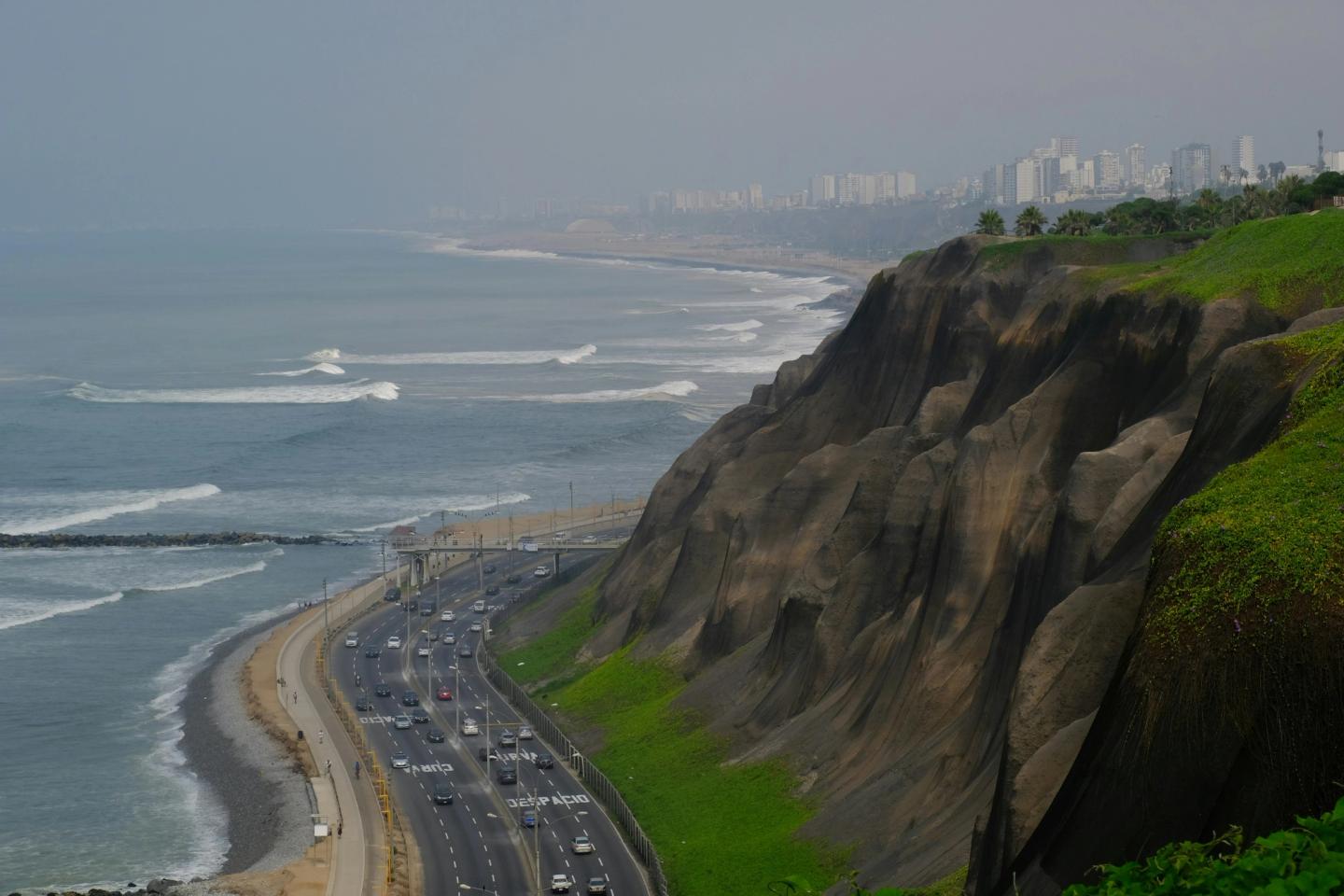
Lima and the northern coast
Lima lies on a dry stretch of coast, yet winter can feel distinctly grey and damp. Garúa is fine drizzle: low annual rainfall does not automatically mean a sunny afternoon here. You do not need to move a trip to Miraflores, Barranco and the museums to summer. A hot lunch, a gallery and a walk along the cliffs work on a grey day too. For a holiday mainly about the beach, January to March is a better starting point.
The northern coast is warmer than the central and southern coast. A beach stay around Máncora or Punta Sal therefore deserves its own assessment, separate from Lima's forecast. The north also receives more rain and is sensitive to El Niño. Look beyond the label ‘coast’. A trip through Trujillo, Chiclayo and archaeological sites also calls for different weather choices from a week beside the sea.
Cusco, Colca and the Cordillera Blanca
In the Andes, weather varies considerably with elevation and location. In the southern highlands, the summer months of December to March are generally wetter; the middle of the year is drier. A sunny afternoon and a cold night can belong to the same travel day. That matters when choosing accommodation: a courtyard for lunch is a different consideration from a bedroom that stays warm at night.
For Huaraz, choosing a season often comes down to views of the Cordillera Blanca and the walks you want to do. Distinguish between visiting the Llanganuco lakes, a day hike and a multi-day trek: each involves different amounts of time outdoors and different accommodation needs. Leave room to move a mountain outing within your stay. Rain, cloud and the current condition of your chosen path matter more than the forecast for Huaraz town alone.
Cusco and Machu Picchu are different weather destinations too. SENAMHI places Machu Picchu in the southern rainforest region in its regional weather reporting; Cusco city is in the highlands. A dry month in Cusco is therefore no promise of clear views at Machu Picchu. If your priorities are the city, the Sacred Valley and the archaeological site, weigh those visits together. A trek adds the availability and condition of its particular walking route to the decision.
In the Amazon, water levels matter too
Around Puerto Maldonado, you can combine forest, rivers and lakes. Sandoval and the clay licks of Alto Tambopata are different outings, involving different journeys. The climate is warm and humid. A drier period does not mean a rain-free forest, and a rainy month does not tell you how every excursion will unfold. Ask a lodge which walks and boat trips it offers during your dates and how it adapts the programme when it rains.
In Pacaya Samiria, the season also means rising and falling river water. Much of the reserve is floodable lowland forest, with channels and lakes. SERNANP identifies July to September as the low-water period in its description of the reserve. Actual water levels help determine which channels boats can use and where walking is possible. That is a more specific choice than ‘the Amazon in the dry season’.
If you mainly want to explore flooded forest by canoe, ask about that activity and current water levels at your chosen location. If you want plenty of walking, ask which trails are being used then. A lodge near Puerto Maldonado and a riverside stay in Loreto need not offer similar experiences in the same month. Wildlife cannot be ordered by month either: choose the habitat and way of exploring that appeal to you.
What does this mean for your holiday dates?
January to March: coastal summer suits time beside the sea and outdoor life in Lima. For Cusco and mountain walking, these are among the wetter months. A trip with plenty of city visits, food and museums is easier to adapt than one made up almost entirely of long hikes.
April and May: a transition towards drier months in many Andean destinations. Worth considering for a coast-and-highlands combination, although the change does not arrive everywhere on the same date. For a trek, discuss the particular route for your departure week.
June to September: a useful starting point when the Andes are the focus. Expect cold nights in the highlands too. Lima may be grey; leave room there for neighbourhoods, restaurants and museums. If you add Pacaya Samiria, consider river levels and the programme being offered.
October to December: rain plays a larger role again in the Andes while the coast moves towards summer. Combining them remains possible, but set your priority: a lot of mountain hiking calls for different decisions from cities with a few excursions. September and October are not a fixed weather boundary.
Start with the activity you really want to do
For mountain views and walks, the Andean season matters most. For beach days, the particular coastal destination carries more weight. For forest and wildlife, first choose between places such as Tambopata and Pacaya Samiria, then consider their excursions in that period. If food, history and a varied journey top your list, you can consider more months and arrange outdoor activities around your fixed visits.
Choosing a season and checking the weather
Use months for the broad decision and the local forecast for individual days. SENAMHI publishes forecasts and weather reports by region; compare the places you will actually visit. A seasonal outlook concerns probabilities over a longer period, not the rain on your particular walk. Shortly before a mountain, boat or nature outing, also confirm that the operator or site manager is running your chosen route. You can then make a specific adjustment: another visit, another day or another place.